Digging Through the Digital Dirt: The Obsessives Saving the Web's Weirdest Relics
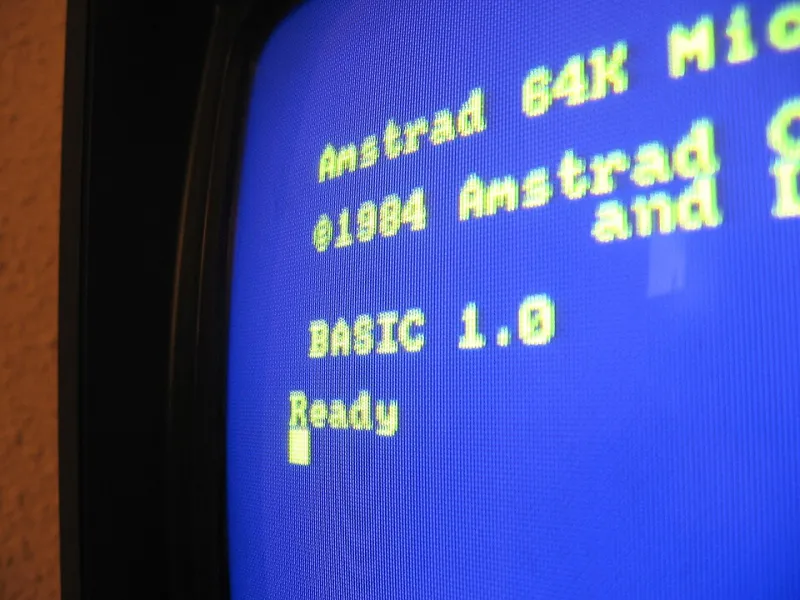
Photo: Manuel Bartual from Madrid, España, CC BY-SA 2.0, via Wikimedia Commons
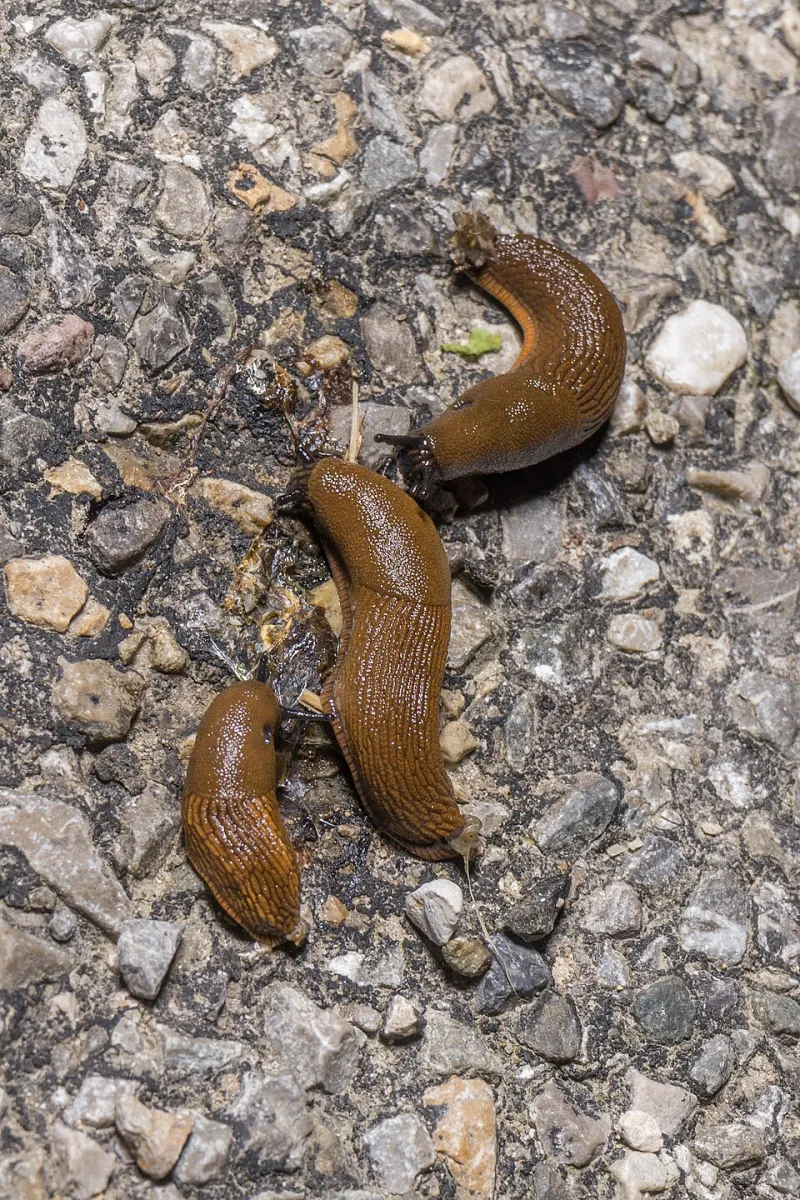
Somewhere in a compressed archive folder on a server in Oregon, there exists a complete backup of a GeoCities page dedicated entirely to the mating habits of freshwater snails. The page hasn't been updated since 2002. The person who made it is, presumably, still out there somewhere — maybe embarrassed, maybe oblivious, maybe long gone. But thanks to a 34-year-old librarian in Columbus, Ohio who goes by the handle vhsrot, that page still exists. Technically.
"I don't know why I saved it," she told us over Discord. "I just knew that if I didn't, nobody would."
That instinct — irrational, obsessive, deeply human — is at the heart of a subculture that doesn't have a clean name yet. Call them digital archaeologists. Call them web hoarders. Call them the people who genuinely mourn the death of a Tripod fan site for a mid-tier '90s ska band. Whatever you call them, they're multiplying, and the stuff they're rescuing is stranger and more beautiful than you'd expect.
The Web Used to Be a Yard Sale
If you were online before 2005, you remember what it felt like. The internet was less a product and more a texture — chaotic, personal, occasionally horrifying, frequently hilarious. People built websites the way they decorated their bedrooms: with no audience in mind and absolutely no coherent vision. Animated GIFs of rotating skulls lived next to heartfelt poetry. Tiled backgrounds of cartoon dolphins framed deeply personal diary entries. Nothing matched. Nobody cared.
GeoCities alone hosted over 38 million pages before Yahoo shut it down in 2009. Most of those pages were, by any commercial metric, completely worthless. No traffic. No monetization. No brand alignment. Just pure, unfiltered human expression from an era before anyone told us our online presence needed to be curated.
When GeoCities died, it took most of that with it. What the Wayback Machine didn't catch — and it missed a lot — simply ceased to exist. The Archive Team, a loose collective of volunteer archivists, managed to rescue a significant chunk before the servers went dark, but the effort was frantic and incomplete. Years later, people are still finding gaps.
"Every gap feels personal," says Marcus T., a software developer in Austin who spends his weekends crawling the Wayback Machine for broken links and missing assets. "Like, someone made that. Someone stayed up late putting it together. And now it's just... a 404."
Neocities and the Revival That Wasn't Supposed to Happen
In 2013, a developer named Kyle Drake launched Neocities — essentially a spiritual successor to GeoCities, built on the same premise that anyone should be able to build a weird little website with no particular purpose. It was supposed to be a small experiment. It became something else.
Today, Neocities hosts over 700,000 sites, many of them deliberately retro in aesthetic: tiled backgrounds, blinking text, guestbooks, webrings. The community has developed its own internal culture, its own stars, its own etiquette. But what's interesting isn't just the nostalgia play — it's the philosophy underneath it.
A lot of Neocities users aren't just making cute throwback pages. They're making an argument. The argument is that the internet got worse when it got professional. That something essential was lost when every platform optimized for engagement and every creator optimized for reach. The messy, weird, non-commercial web wasn't a primitive version of what came later — it was a different thing entirely, and it deserved to survive.
"People treat it like the old web was just the internet before it grew up," says Priya M., a 27-year-old UX designer who maintains both a professional LinkedIn and an elaborate Neocities shrine to obscure 2000s flash games. "But that's backwards. It had something the current web doesn't. It had no stakes."
The Psychology of Rescuing Things Nobody Wanted
There's a word in Japanese — mono no aware — that roughly translates to a bittersweet awareness of impermanence. It's the feeling you get watching cherry blossoms fall, knowing their beauty is inseparable from the fact that it won't last. Digital archaeologists don't usually quote Japanese aesthetics at you, but the emotional logic is weirdly similar.
Dr. Leah Connors, a cultural psychologist at the University of Michigan who studies digital memory and online identity, has been watching this subculture develop with professional interest. "What these people are responding to is a real loss," she says. "The early internet represented a kind of creative freedom that doesn't exist in the same form anymore. Preserving those artifacts is a way of insisting that it mattered — that it was real."
There's also something specific to the American cultural context here. The US has a complicated relationship with preservation. We demolish old buildings and then mourn them. We let regional accents and local businesses disappear and then romanticize them in retrospect. Digital archaeology is, in a way, the same impulse applied to a medium that moves even faster than physical culture.
"We're really bad at saving things until they're already gone," vhsrot says. "The internet taught us that lesson really fast."
What Gets Saved and What Doesn't
Not everything can be rescued. A lot of early web content was built on platforms that are now completely dark — no servers, no archives, no backups. Early social networks, early forums, early comment sections: entire ecosystems of human conversation, gone. Even what survives is often fragmentary — pages without their images, sites without their CSS, interactive experiences frozen mid-gesture.
What the collectors prioritize is telling. Commercial content — brand pages, corporate sites, early e-commerce — barely registers. What people are hunting is the personal: the fan sites, the diary pages, the weird little hobby corners. The snail guy. The ska fan. The teenager who built an entire website about their cat named Biscuit in 1997.
That specificity matters. It's not about preserving the internet as a historical record of technology. It's about preserving evidence that ordinary people once had a space on the web that was entirely theirs — unmeasured, unmonetized, and completely free.
"Biscuit deserved to be remembered," Marcus says, and he's not joking.
The Archive as Act of Love
What makes this subculture genuinely strange and genuinely beautiful — very much in the Igneqta spirit — is that it's entirely motivated by affection for things that have no market value. Nobody is getting paid. Nobody is building a brand. The Wayback Machine runs on donations. The Archive Team runs on stubbornness. Neocities runs on the kind of quiet conviction that's hard to explain to anyone outside the community.
In an internet increasingly designed to extract value from human attention, there's something almost radical about people who just want to make sure the snail page survives.
The early web was a mess. It was ugly and broken and full of things that served no purpose beyond the pure fact of their existence. And a small, growing, deeply committed group of people thinks that made it worth saving.
They might be right.