Phantom Malls and Pixel Ruins: The Internet's Obsession with Virtually Haunting Dead Commerce
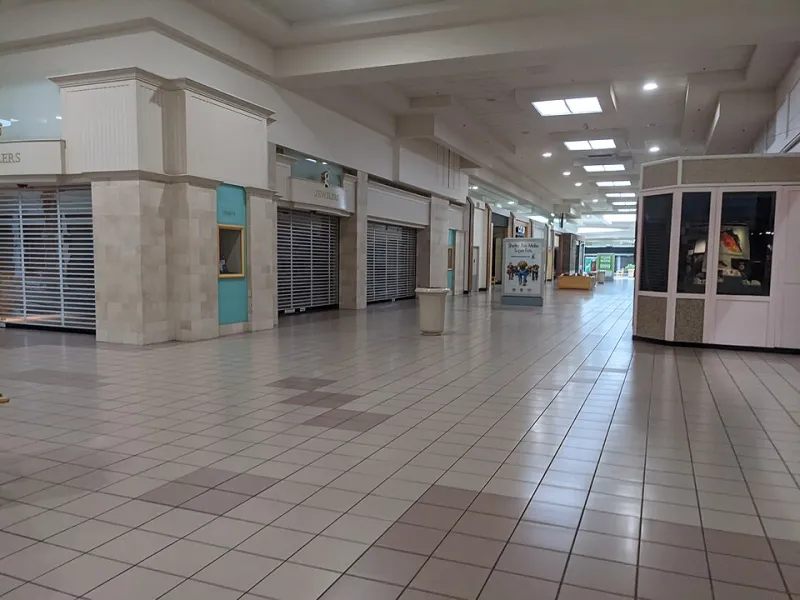
Photo: 3steph14, CC BY-SA 4.0, via Wikimedia Commons
There's a particular kind of silence that lives inside a dead mall. You can't hear it, obviously — you're sitting at a desk, maybe eating cereal, dragging Google Street View's little pegman through a parking lot in Saginaw or Shreveport. But somehow the silence is still there, embedded in the pixelated storefronts, the faded anchor store signage, the food court that still has a Sbarro logo even though the Sbarro closed in 2011 and the mall itself followed in 2019. The silence is in the image. And people are absolutely obsessed with it.
Over the past several years, a loose but passionate community of digital explorers has turned Google Street View, satellite imagery, and archived photography into a kind of archaeology. The subject? The carcasses of American consumer culture — shuttered malls, defunct theme parks, closed big-box stores, abandoned strip malls baking under the sun in places that used to be somewhere.
The Museum Nobody Built
What's wild about this trend is that nobody planned it. Google didn't set out to document American decline. Satellite companies weren't thinking about the emotional resonance of a Sears with boarded windows when they launched their imaging programs. But the internet being the internet, people found the poetry anyway.
Subreddits like r/deadmalls have hundreds of thousands of members. YouTube channels dedicated to mall walk-throughs — some virtual, some physical — rack up millions of views. TikTok accounts post slow pans through Street View captures of empty retail corridors with lo-fi music underneath, and the comments fill up with people typing things like I can smell this and why does this make me want to cry.
That's the thing that hits you when you fall down this particular rabbit hole: the emotional register is completely disproportionate to the subject matter. These are shopping centers. They sold Auntie Anne's pretzels and mid-range denim. And yet the grief people feel scrolling through their digital remains is real, specific, and weirdly personal.
Nostalgia for Places You Never Loved
Here's where it gets interesting. A lot of the people most drawn to dead mall content didn't even like malls when they were alive. They weren't mall rats. They didn't have formative memories of the Foot Locker or the Spencer's Gifts. What they're mourning is something more abstract — a version of American life that felt stable and shared, even if that stability was always a little hollow.
The mall was infrastructure. Not just for shopping, but for a certain idea of public life. You went there on rainy Saturdays. You had somewhere to be. The food court was a weird democratic commons where teenagers, retirees, and families from different zip codes all occupied the same fluorescent-lit space. It wasn't perfect. It was kind of ugly, honestly. But it was there, and now it's not, and the Street View images are like photographs of someone who died before you realized you'd miss them.
There's also something specific about the digital nature of this exploration that matters. You're not physically trespassing, which means you're not risking anything. You're not really there in any meaningful sense. You're a ghost visiting a ghost. That double remove — the distance between you and the place, and the distance between the place and its living self — creates a strange, protected space for feeling things you might not let yourself feel otherwise.
The Algorithm as Docent
What's quietly radical about this whole scene is that it repurposes corporate infrastructure for something those corporations never intended. Google built Street View to help people navigate. Nobody at the Googleplex was thinking about the emotional archaeology of Midwestern retail decline. But the tool exists, the images were captured at various points in time, and suddenly you have an accidental archive of a country in the process of losing something it never fully understood it had.
Some creators have gotten very deliberate about this. There are accounts that compile before-and-after Street View captures of specific malls — the same corridor photographed in 2009 and then again in 2021, a visual record of the slow fade. Others build YouTube essays that treat shuttered Sears locations the way a PBS documentary might treat ancient ruins. The aesthetic is sincere and a little melancholy and completely earnest in a way that the internet doesn't always do well.
And the audience responds to that earnestness. The comments on these videos are genuinely moving sometimes — people sharing memories of specific locations, tagging friends, writing small eulogies for places that a financial analyst somewhere decided weren't worth saving.
Witness as Practice
Maybe what's actually happening here is something older than the internet. Humans have always been drawn to ruins. There's a whole artistic tradition — the picturesque, the sublime — built around the emotional experience of encountering something grand that time has broken. We've always found meaning in decay. We've always needed to look at things that are ending and say: I see you. I was here. You mattered.
The dead mall content community is doing that, just with pixels and pegmen instead of oil paints. They're bearing witness to a specific chapter of American life as it closes. The consumer landscape that shaped the childhoods of Gen X and older Millennials is actively, visibly dying, and instead of looking away, these people are zooming in.
There's something almost tender about it. The act of virtually wandering through a shuttered Macy's at 11pm on a Tuesday, reading the comments, feeling the collective low hum of shared recognition — it's not nostalgia exactly. It's more like a vigil. A way of insisting that these places, as compromised and commercial as they were, still deserve to be seen on their way out.
The internet wasn't supposed to be a museum of American decline. But here we are, and honestly? It's doing a pretty good job.