Pinned and Posed: The Curators Stuffing Dead Memes and Putting Them on Display
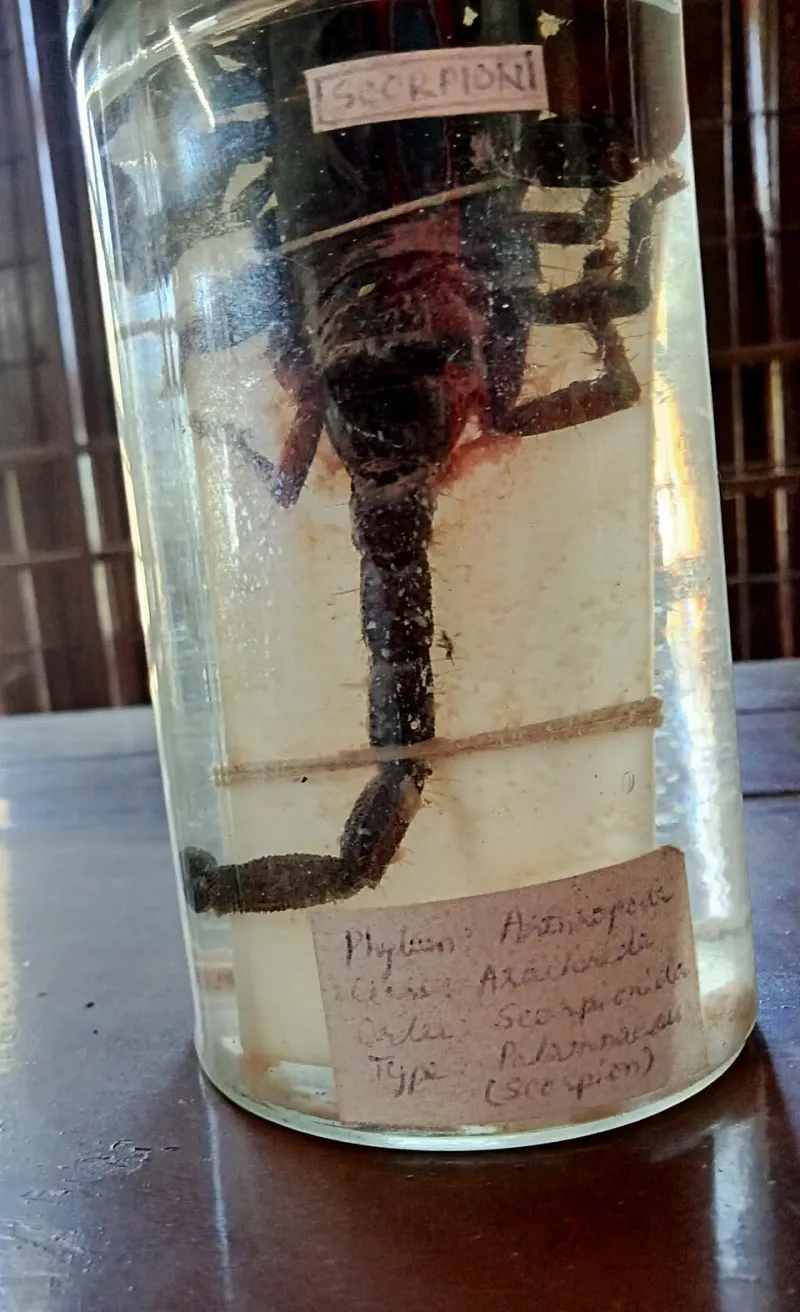
Photo: Noukayami, CC BY-SA 4.0, via Wikimedia Commons
The specimen arrives in a glass case, pinned at three angles, lit from below. The plaque gives the date of first sighting, the platform of origin, the cause of death, and a short note on its brief but enthusiastic life. It is a frog. It is drawn badly. It has been dead since 2019.
The exhibit is called Onward, and it lives on a hand-coded site with a visitor counter that has been at 2,410 for four years because the owner refuses to reset it.
The Glass Case and the GIF
Meme taxidermy is what its practitioners call it, half as a joke and half as a job description. The craft is simple to describe and hard to do well: take a dead meme, mount it in a frame of elaborate formal presentation, and write a caption that treats it as a cultural artifact rather than a bit. The best examples look like natural history museum displays built by someone with real affection and a decent understanding of exhibition design.
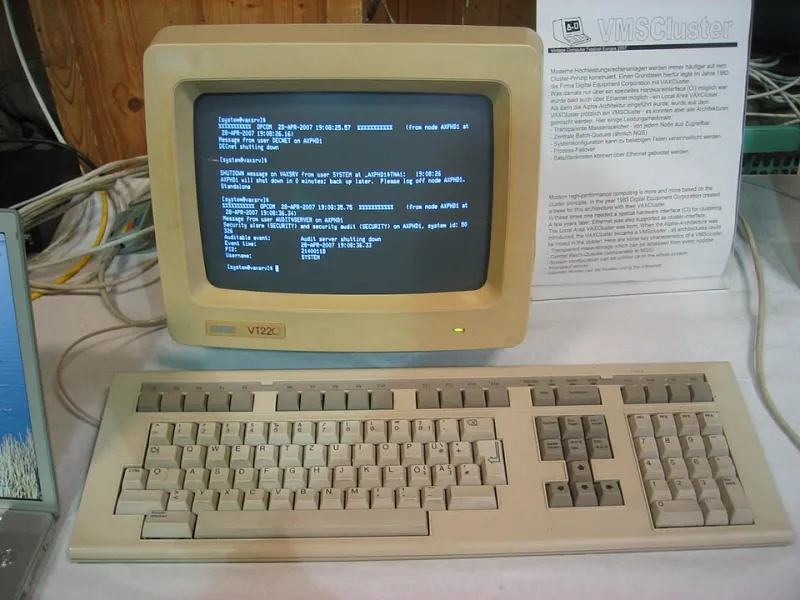
The forms vary. There are dioramas, sometimes animated, in which a retired format is placed back in its original habitat — a reaction image returning to the forum where it was born. There are specimen cards, plain and clinical, with taxonomy lines and a note on which subreddit first described the species. There are audio mounts, where the meme is presented only as its sound. One curator makes ASCII mounts, hand-typed in a terminal, which is somehow both the silliest and the most sincere version of the whole thing.
A Field Guide to the Mounts
The scene has its own vocabulary and its own rules, and the rules are more serious than you would guess.
Provenance matters
A proper mount includes a date, a platform, and an honest note when the origin is contested. Fandom-born memes are prized because their lineage is easier to trace — the joke that started in a specific fan community, got adopted by a wider audience, then curdled when the show ended and the fandom scattered.
The plaque does the work
Anyone can screenshot. The taxidermist writes the label, and the label is where the mourning happens. Good plaque text reads like a National Park sign written by someone who lost a friend.
Death is not the same as embarrassment
Most memes do not die of overuse. They die of association — a brand adopts the format, a politician uses it unironically, or the original poster turns out to be someone awful. The scene honors those deaths with a specific term: retired under a cloud.
Why We Bury the Jokes We Loved
Ask the curators and the answers get unexpectedly tender. People describe the internet as a place that moves so fast it has no funerals. Memes are how a lot of us learned to be funny in public, and they vanish without a marker, replaced by a remix of themselves before anyone notices the original has stopped.
There is also the fandom question. A vast number of these dead formats started as in-jokes inside fan communities — the shared shorthand of people who watched the same show and developed a private dialect. When the fandom thinned out, the dialect went with it. Taxidermy is one way of admitting that something genuinely ended, which is strangely harder to do online than anywhere else.
And there is craft pride. Mounting a meme well requires restraint. The cheap version is a nostalgia post. The good version gives you the joke, gives you the context, and then gives you one quiet line about what it meant, without a single winking emoji.
The Problem With Stuffing a Stranger's Face
Not every specimen is anonymous. A meaningful share of the canon involves real people — a kid photographed at a school concert, a woman who happened to be at a wedding, a man whose twenty seconds of video escaped him. Those are the mounts that divide the scene.
Several curators have adopted what amounts to a consent policy: no real identifiable person, no mount. Others argue that the artifact is the format, not the face, and simply redraw, blur, or substitute. The ones who do mount real images tend to keep them unindexed. It is a small ethics emerging in real time, argued out in threads, amended as it goes. Nobody has settled it.
What the Exhibit Actually Preserves
Here is the part that sounds like a joke until you sit with it. A meme is a very specific kind of cultural record: it tells you what a particular group of people, at a particular moment, thought was funny, and what they were anxious enough to laugh at. Studied in bulk, the corpses are a history of attention — the jokes we needed in 2016, the ones we needed in 2020, the ones we can no longer explain to anyone who was not there.
The visitor counter on Onward is still at 2,410. The owner knows exactly who each of those people is, more or less, and has been meaning to write something longer about why the frog mattered.
In the meantime, the case stays lit. The plaque stays legible. Somewhere under a thick layer of irony, the whole project is just a refusal to let a thing that made people laugh for two months go unrecorded. Which is, when you think about it, the most sincere use the internet has found for a dead frog yet.