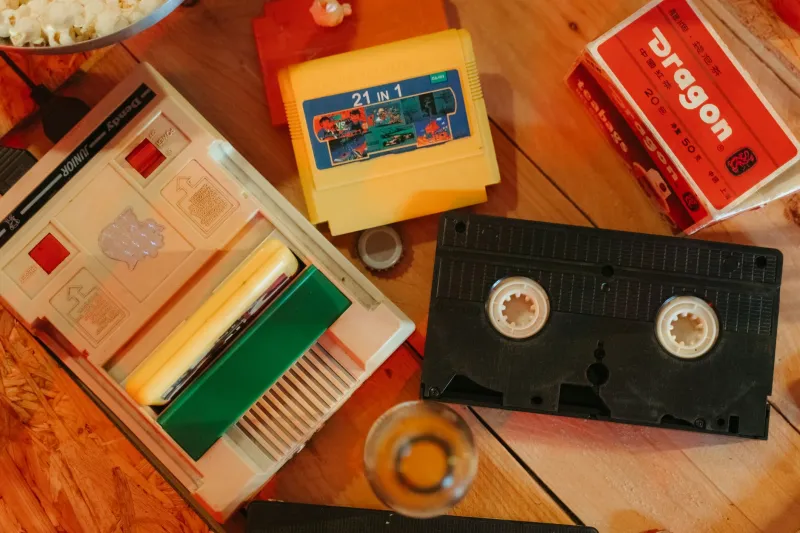
Still Loading: The Underground World of People Who Live Inside the Internet's Frozen Rooms
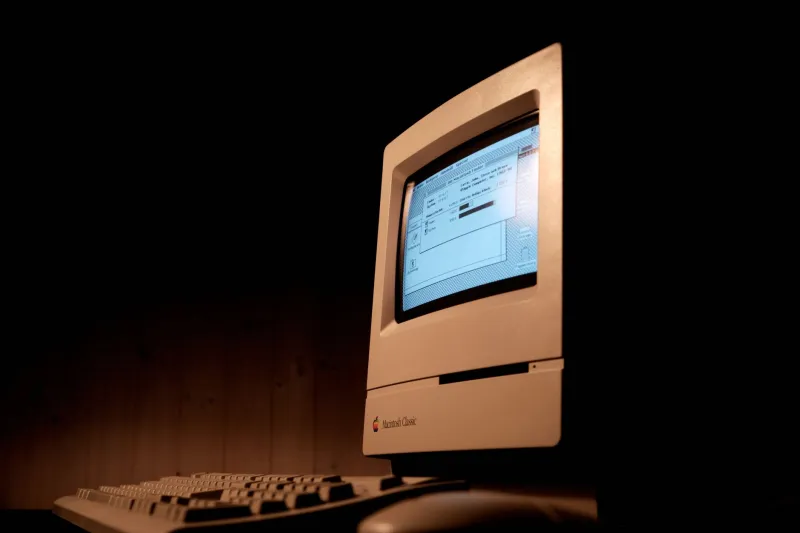
There's a Geocities mirror out there — you can still find it if you know where to look — where someone named KrazyKat1987 last updated their Dragon Ball Z fan page on a Tuesday in October 2003. The hit counter stopped at 4,412. The guestbook has seventeen entries, the last one reading "cool site!! aim me sometime!!" The AIM screen name listed is, of course, gone forever.
KrazyKat1987 probably doesn't think about that page anymore. But other people do. A lot of them, actually.
The Pull of the Frozen Moment
Something strange has been happening in the quieter corners of digital culture over the last several years. Communities have emerged — on Discord, on Reddit, on platforms that feel almost deliberately obscure — dedicated entirely to finding, documenting, and sitting with the internet's abandoned spaces. Not in a mocking way. Not as nostalgia bait. More like the feeling you get standing in a house where someone used to live.
These aren't just hobbyists collecting URLs. The communities are organized, methodical, and surprisingly emotional about what they do. There are people who catalog defunct social networks, archiving profile pages before the servers finally go dark. There are ARG communities — Alternate Reality Game hunters — who treat abandoned web infrastructure like puzzle boxes, following dead hyperlinks and decoding timestamps the way other people follow treasure maps. And there are what some members call "digital spelunkers": people who specifically seek out virtual worlds, MMOs, and online games that have been shut down or simply forgotten, finding ways to run private servers or navigate whatever remains.
What connects all of them is a shared sensitivity to a particular kind of loss — the kind that happens not with a funeral but with a gradual, unannounced silence.
What Gets Left Behind
The internet was never supposed to be permanent, but it also wasn't designed with endings in mind. When a platform dies, it usually dies messily. Data gets wiped or sold. Profiles disappear mid-sentence. Entire ecosystems of creative work — fan fiction archives, collaborative worldbuilding projects, years of forum posts — vanish without a press release or a goodbye.
What remains tends to be accidental. Wayback Machine snapshots. Cached pages. Mirror sites run by people who had the foresight to download things before the lights went out. These fragments are what the community runs on.
One Discord server focused on archiving defunct social platforms — they asked not to be named, which feels fitting — has over three thousand members who spend their time doing something they describe as "completing the record." They're not trying to resurrect these spaces. They're trying to make sure that the fact of their existence doesn't disappear entirely. There's a channel called #last-seen where members post the final captured snapshots of platforms before their archives go offline. It reads like a kind of obituary wall.
"People made real things in these places," one member wrote in a pinned message. "Friendships, art, communities. The least we can do is remember that they happened."
The ARG Angle
For the Alternate Reality Game crowd, abandoned web infrastructure carries a different kind of charge. Dead websites become potential clues. Defunct forums become archaeological layers. The question isn't just what was here but what does it mean that it's still here.
Some of this energy gets channeled into actual games — designers who deliberately seed old-looking websites with puzzles, banking on the community's trained eye for the aesthetic of abandonment. But a significant portion of the community pursues what they call "organic ARGs": genuinely mysterious sites or digital artifacts that nobody has claimed authorship of, which may or may not be intentional puzzles.
The line between an ARG and an actual mystery is part of the appeal. When you're trained to look for patterns in forgotten places, the whole abandoned internet starts to feel like it might be trying to tell you something.
Why It Hits Different Now
There's a generational dimension to this obsession that's worth sitting with. A huge portion of the people most invested in digital archaeology came of age during the early-to-mid internet era — they built Neopets pages, ran LiveJournals, spent formative years in now-defunct MMOs. The spaces they're excavating aren't just cultural artifacts. They're their own pasts.
But it's not only nostalgia driving this. Younger members of these communities — people who were barely alive when Geocities existed — are equally drawn in. For them, these frozen spaces represent something else: proof that the internet was once genuinely weird and personal and un-optimized. That before every platform was engineered for engagement metrics and advertiser safety, people just made things because they wanted to.
In a digital landscape increasingly dominated by algorithmic feeds and homogenized aesthetics, a hand-coded fan page with a broken background tile and a MIDI file that autoplays feels almost radical. It was made by one person, for no reason except that they cared about Dragon Ball Z and wanted somewhere to put that care.
The Ethics of Looking
Not everyone is comfortable with this kind of attention. There are real questions about consent that the community wrestles with — sometimes publicly, sometimes not. When you archive someone's old social media profile, you're preserving something they may have forgotten existed or actively want gone. When you share screenshots of someone's 2007 MySpace page in a Discord server, you're making an audience out of something that was never meant to be a performance.
The more thoughtful members of these communities take this seriously. Some have developed informal guidelines: don't archive personal information, don't mock, don't share anything that could identify or harm a living person. The goal, as one member of a digital preservation forum put it, is to honor the shape of what existed without making anyone feel hunted.
It's an imperfect ethics, worked out in real time by people who are genuinely trying to do right by the past.
What the Frozen Rooms Are Really About
Spend enough time in these communities and a theme emerges that has less to do with the internet and more to do with time itself. The abandoned website, the dead platform, the offline virtual world — these things are so compelling because they make impermanence visible in a way that real life usually doesn't.
In the physical world, the past gets overwritten. Buildings get demolished. Rooms get repainted. The evidence of who we used to be gets worn away by the ongoing project of being who we are now. But a website frozen in 2003 just stays 2003. The hit counter doesn't tick. The guestbook doesn't fill. It sits there in amber, a Tuesday afternoon that never ended.
KrazyKat1987 moved on. But somewhere in a data center, or in an archive someone built out of love and stubbornness, their Dragon Ball Z page is still loading. Still waiting for someone to sign the guestbook.
And apparently, thousands of people find that beautiful enough to go looking for it.